Insights Catalog

Categorised educational modules offering structured exploration of nutritional and botanical science for men's overall well-being.

Knowledge Coverage
Vitamins Minerals Botanicals Omega-3 Protein Gut Health

Educational Modules

Each module below presents a focused exploration of a specific dimension of nutritional and botanical science. Content is structured to explain, contextualise, and describe — without making individual recommendations or commercial propositions.

Arrangement of vitamin-rich foods on a light stone surface: halved kiwi fruit, sliced bell peppers, broccoli florets, and orange segments photographed from above with clean even lighting

Module 01

Foundational Vitamins for Male Physiology

An exploration of essential vitamins — including Vitamin D, B-complex, A, C, and E — and their general roles in male physiological function, energy metabolism, and cellular health.

  • Metabolic pathways where vitamins act as enzymatic cofactors
  • The prevalence and context of common vitamin insufficiencies
  • The importance of dietary diversity as a nutritional strategy
Learn More
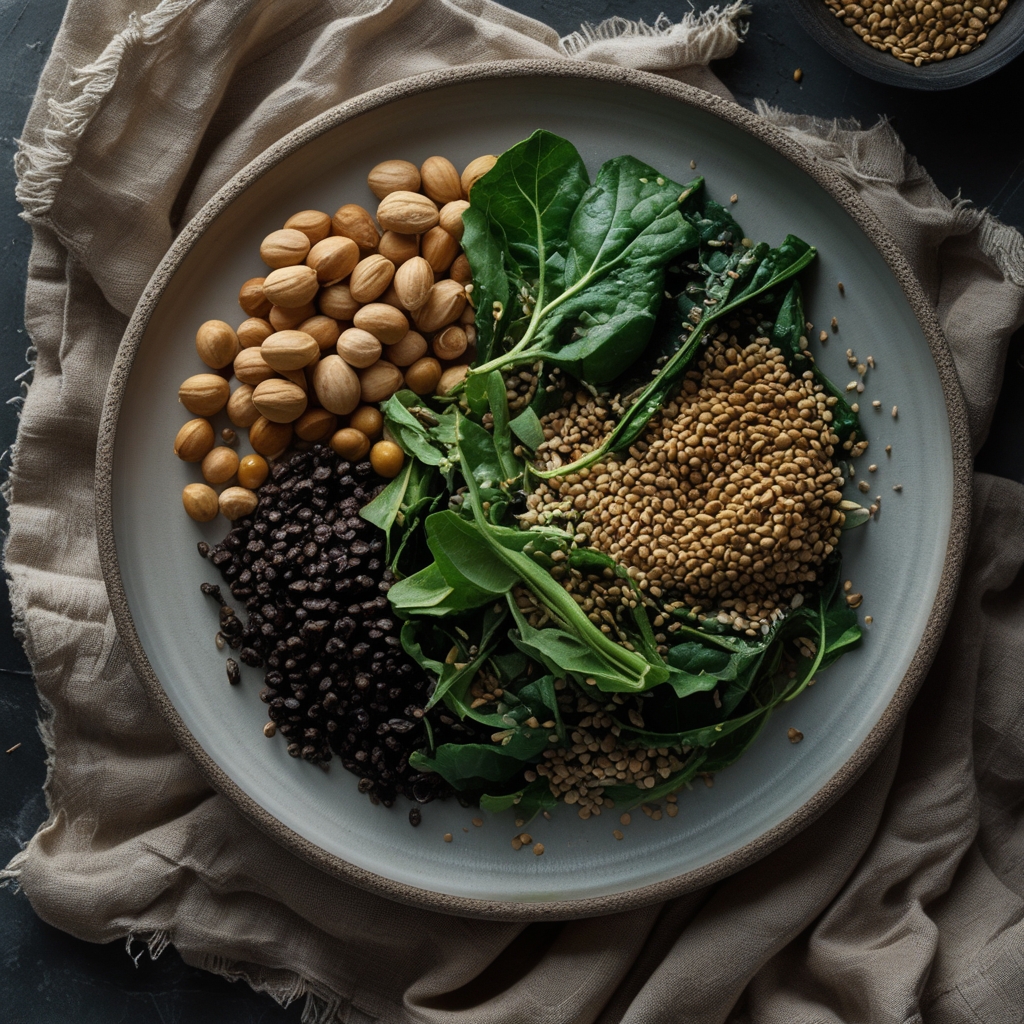
Flat lay of mineral-rich whole foods including Brazil nuts, dark green leafy vegetables, sesame seeds, and brown lentils arranged on natural linen with shallow depth of field

Module 02

Essential Minerals for Systemic Balance

A detailed examination of key minerals — including Zinc, Magnesium, and Selenium — and their significance in maintaining systemic homeostasis, bone density, nerve function, and antioxidant defence within the male body.

  • Mineral interactions and documented synergistic effects
  • Dietary sources and factors that influence mineral absorption
  • The systemic significance of adequate mineral status
Learn More
Close-up of dried herbal roots and botanical specimens — ginseng root, ashwagandha, and dried rhodiola — arranged on aged parchment paper with soft directional lighting revealing texture

Module 03

Botanical Extracts and Adaptogens Explained

An overview of select botanical extracts and adaptogens — including Ashwagandha, Ginseng, and Rhodiola — traditionally used across cultures, with focus on their historical context and the compounds under scientific investigation.

  • Historical applications across traditional knowledge systems
  • The scientific concept of "adaptogenic" action explained
  • Key phytochemical compounds and proposed mechanisms
Learn More
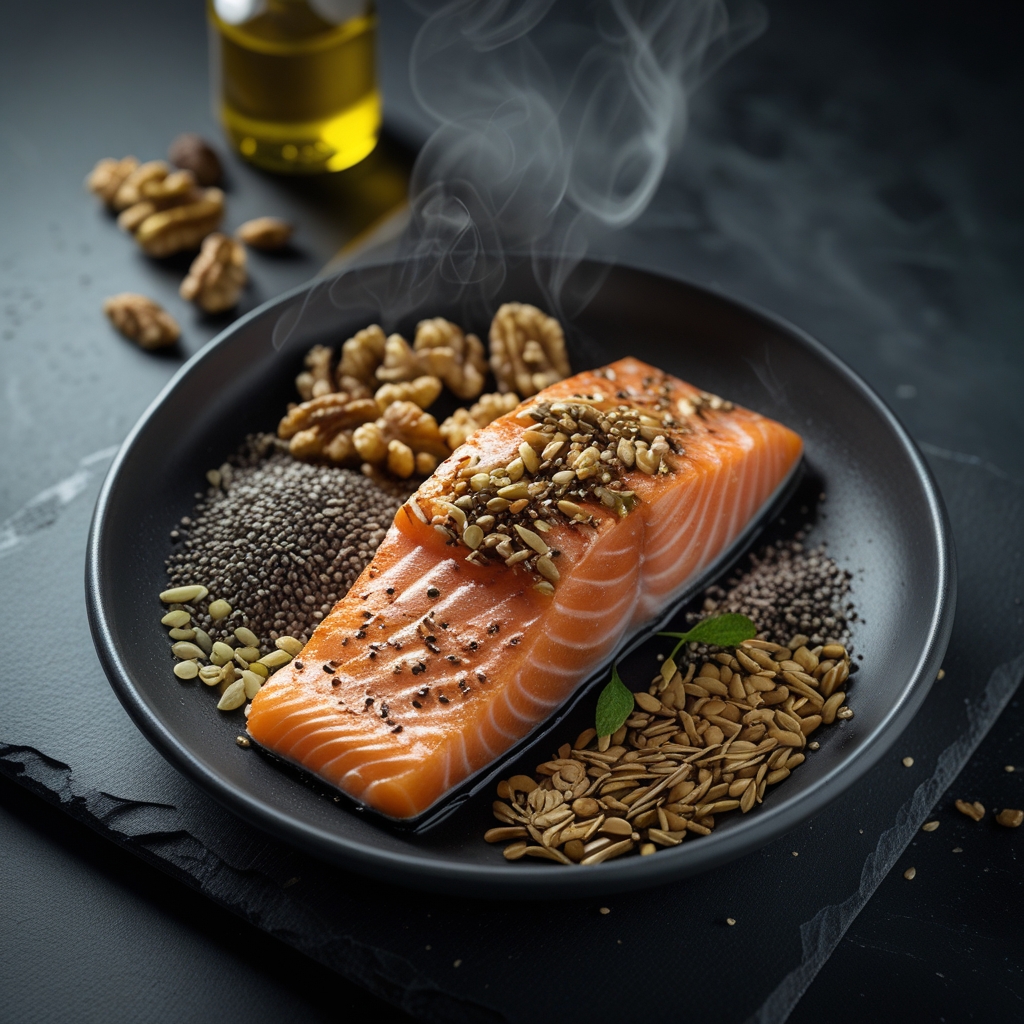
Bowl of wild-caught salmon fillet alongside flaxseeds, walnuts, and chia seeds on a dark slate surface, with a small glass bottle of golden oil, natural light, food photography style

Module 04

Omega-3 Fatty Acids and Cellular Health

A focused examination of Omega-3 fatty acids — specifically EPA and DHA — their structural role in cell membranes, and their documented presence in research related to cardiovascular function and cognitive health in men.

  • The structural role of fatty acids in cell membrane composition
  • Comparison of marine-source versus plant-based Omega-3 forms
  • Their documented influence across multiple physiological systems
Learn More
Selection of high-quality protein food sources arranged on a wooden board: eggs, cottage cheese, grilled chicken breast, edamame beans, and tofu, photographed in a calm kitchen setting with natural light

Module 05

Protein Metabolism and Muscle Support

An exploration of protein synthesis fundamentals, the role of essential amino acids, dietary protein quality, and the significance of adequate protein intake for structural integrity and muscle maintenance in male physiology.

  • Essential versus non-essential amino acid classification
  • Protein quality metrics: biological value and digestibility
  • The structural and regulatory roles of protein in bodily function
Learn More
Artistic overhead composition of gut-supportive fermented foods: kefir in a glass jar, sauerkraut, kimchi, and sliced sourdough bread on a textured stone background with moody low-key lighting

Module 06

Gut Health and its Systemic Connections

An examination of the gut microbiome's complexity, its role in digestion and nutrient absorption, and the emerging scientific understanding of its connections to energy regulation, mood, and systemic health in men.

  • The concept and composition of the gut microbiome explained
  • The roles of prebiotics and probiotics in microbiome ecology
  • The gut-brain axis and its documented physiological implications
Learn More

Informational Context and Limitations

The materials on this website are for informational purposes only. They do not constitute individual medical advice or recommendations. Approaches to well-being vary widely, and the information presented here should not replace personal decisions or professional medical consultation. Always seek the guidance of a qualified healthcare professional with any questions about your health.

Continue Exploring

Return to the Full Overview

Explore the comprehensive foundational content on the main resource page, covering ecosystem, history, misconceptions, and more.